Practitioner’s Profile: How Rachel Henry’s Client-Side Roots Drive Her Solutions Today
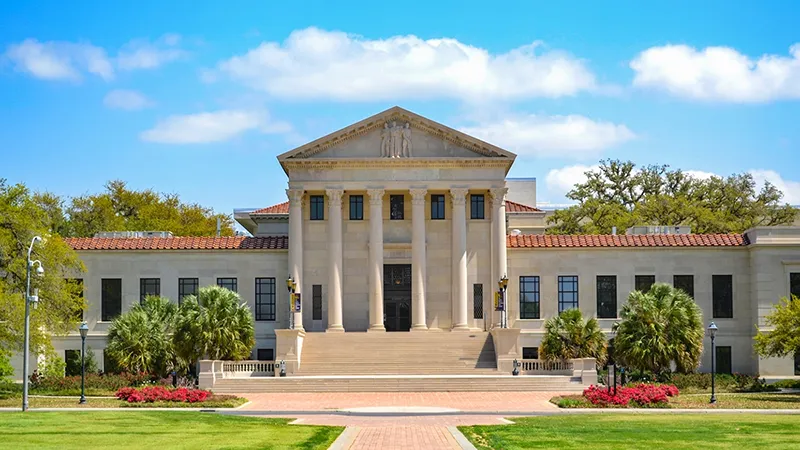
Unlike many Veoci team members who were drawn to sirens and emergency response at an early age, Rachel Henry's path was less straightforward. A Journalism major with a Master's in Human Resources and Leadership Development, Rachel spent 12 years at Louisiana State University (LSU) in a variety of roles that had very little to do with disaster theory—until a hurricane set its sights on the Gulf Coast.
Rachel was serving on LSU's emergency operations committee when she was handed a login to a new tool called Veoci. With no training and a storm bearing down, she and her team dove into the platform. The trial-by-fire experience was a revelation. Even without pre-built Dashboards, Veoci's ability to streamline communication during a crisis was undeniable. After two years of using the platform as a client, Rachel knew she wanted to be part of the team building it. "It was a no-brainer," she says. "I had seen the power of what it could do."
Helping the Helpers
Rachel joined Veoci as a Solutions Engineer, bringing a unique perspective to a team often dominated by career first responders. Her background in communication and human leadership became her "secret weapon" while navigating the micro-to-macro complexities of multi-organizational response.
Today, Rachel spends some of her time on-site with customers, a part of the job she genuinely loves. She acknowledges that some of the topics she covers while on-site, like continuity of operations planning (COOP), are rarely the highlight of anyone's day. "No one wants to be in that room thinking about the worst things that could happen to their community," Rachel admits. Her approach? A mix of "bubbly Louisiana girl" energy, well-timed jokes, and a relentless focus on making the process as painless as possible through automation.
Whether she is working with the University of Notre Dame or government agencies, Rachel's goal is to bridge the gap between academic planning and real-world utility. She understands that her clients are often under-resourced and over-pressured. "We have the rare opportunity to help the helpers," she says. "It's not life or death for us as Solutions Engineers, but it is for those they serve. We get to be one of the resources that makes the impossible possible."
Shifting the Daily Narrative
In her years at Veoci, Rachel has witnessed a significant shift in how organizations use the platform. While the "doom and gloom" of disaster response is the foundation for many, she is a vocal advocate for customers to utilize the platform for daily operations. By integrating Veoci into day-to-day tasks, Rachel helps her clients eliminate the training curve during a crisis. If they are in the system every day, they don't have to worry about forgotten passwords or unfamiliar interfaces when every second counts.
This pragmatic approach has earned her a reputation for being more than just a vendor; she becomes part of the team. Rachel admits she even owns a Fighting Irish sweatshirt—a significant concession for a lifelong LSU Tiger—to show her solidarity with her clients at Notre Dame.
What Drives the Work
For Rachel, the motivation is simple: impact. She isn't interested in just logging hours, she needs to know her work is creating positive change. That realization hit home during her first client activation, when she watched a system she helped build manage a real-world incident in real-time.
"Hearing their feedback, that they managed it easier because of something I built, there's nothing better than that," Rachel says. Despite her humble claim that she is "not very interesting" compared to other practitioners, her track record of success and her ability to connect with her customers tell a different story. Rachel Henry isn't just a Solutions Engineer; she's a practitioner who knows exactly what it feels like to sit in the hot seat, and she's dedicated to making that seat a little cooler for everyone else.